
Key Takeaways
Red spots on the skin are a symptom, not a diagnosis. They range from harmless heat rash to signs of infection or an underlying medical condition. Recognising the pattern, and knowing which signs need urgent review, is what determines the right treatment.
• Most red spots come from skin conditions, infections, insect bites, allergic reactions, heat rash, or vascular changes.
• Appearance alone is rarely enough; location, spread, duration, and associated symptoms guide the diagnosis.
• Treatment depends entirely on the underlying cause, so one cream will not suit every red rash.
• Kuwait’s heat and humidity make heat rash, fungal infections, and sweat-related flare-ups especially common.
• Seek prompt care for rapidly spreading spots, fever, severe pain, blistering, or spots that do not fade when pressed.
• A dermatologist can confirm the cause through examination and, where needed, blood tests, allergy testing, or a skin biopsy.
Table of Content
Common Causes of Red Spots on Skin
Symptoms of Red spots
Diagnosis
Treatment for Red Spots on Skin
Prevention Tips for Red Spots on Skin
When to See a Doctor
Dermatology Care at Apollo Clinic Kuwait
Conclusion
FAQs
Red spots on the skin, also known as skin rashes or erythema, can significantly affect a person’s life. These discoloured patches or bumps can appear anywhere on the body (vary in shape, size and intensity). Sometimes, red spots on your skin are nothing to worry about. Other times they can be a sign that something more serious is going on. Let us look at some reasons why these spots show up, how you can figure out what’s causing them, what you can do about it and when it’s time to reach out for medical advice.
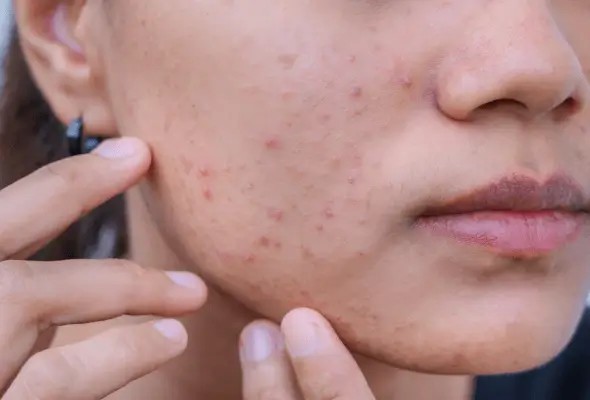
skin condition. For example, if you have eczema, you should avoid harsh soaps and moisturise regularly. If you have a heat rash, you should try to stay cool and wear loose-fitting clothing. If you have an allergic reaction, you should avoid the allergen that caused it.
Common Causes of Red Spots on Skin
Red patches on the skin can arise from various factors. They are:
A. Skin Conditions:
Eczema: A chronic inflammatory skin disease characterised by dry, itchy and tiny red spots on the skin.
Psoriasis: An autoimmune condition leading to raised, red, and scaly patches on the skin.
Contact Dermatitis: An allergic or irritant reaction to certain substances, resulting in red, itchy rashes.
Pityriasis Rosea: Rosea is an inflammatory skin condition in which a larger patch appears first, usually on the chest, back, or abdomen.
B. Infections:
Bacterial Infections: Conditions like impetigo or folliculitis can cause red, pus filled bumps on the skin.
Viral Infections: Infections like chickenpox or measles can lead to red spots or rashes.
Fungal Infections: Diseases like ringworm or candidiasis can cause itchy, scaly, small red spots on the skin.
C. Insect Bites or Stings:
Mosquito bites, flea bites, or bee stings can cause localised red, swollen bumps on the skin.
D. Allergic Reactions:
Exposure to certain foods, medicines, or environmental allergens can cause red, itchy hives or rashes.
E. Heat Rash:
Excess sweat during exercise or in hot or humid weather can clog the pores, resulting in small bumps and red spots in the skin, particularly in areas where the skin rubs together, like the armpit.
F. Vascular Conditions:
Cherry angiomas: Small, bright red bumps caused by dilated blood vessels.
Petechiae: Tiny, flat red spots on the skin resulting from bleeding under the skin.
Quick reference: matching red spots to likely causes
The table below summarises how the most common causes usually present. It is a guide to recognising patterns, not a substitute for examination by a dermatologist.
Possible Cause | How It Typically Looks | Common Accompanying Signs |
Eczema (atopic dermatitis) | Dry, itchy, small red patches, often in skin folds | Long-standing, flares and settles, skin may crack |
Psoriasis | Raised red patches with silvery scale | Well-defined edges; often elbows, knees, scalp |
Contact dermatitis | Red, itchy rash matching the area of contact | Begins after exposure to a product, metal, or plant |
Fungal infection | Itchy, scaly red patches, sometimes ring-shaped | Spreads outward; common in warm, moist skin folds |
Bacterial infection | Red, tender bumps, sometimes pus-filled | Warmth, swelling, pain, occasionally fever |
Heat rash (miliaria) | Clusters of tiny red bumps in sweat-prone areas | Follows heat, humidity, or heavy sweating |
Hives (allergic reaction) | Raised red welts that move and change shape | Intense itch; may appear and fade within hours |
Cherry angiomas | Small, bright red, dome-shaped spots | Painless, harmless, increase with age |
Petechiae | Tiny flat red or purple dots | Do not fade when pressed — needs prompt review |
Symptoms of Red spots
Symptoms can vary from person to person and depend on the nature and severity of the condition. You can have some common signs and symptoms of red spots. They are:
Size can range from small pinpoints (petechiae) to larger patches or raised bumps (papules) on the skin
Itching, ranging from mild to severe and sometimes may be associated with a scaly, flaky texture or swelling
Pain or tenderness, particularly in pus-filled blisters
Swelling around red spots, particularly after an infection or an insect bite
Discharge of liquid or blood
Associated systemic symptoms such as fever, fatigue, joint pain, or other signs of infection or inflammation.
Diagnosis
To determine the underlying reason for red spots on the skin, a doctor may perform the various diagnostic procedures. They are:
Physical Examination: How they look, their spread & associated symptoms.
Medical History: Doctors will gather information about recent exposures, medications, or underlying medical conditions.
Blood Tests: Doctors may order blood evaluations to check for potential infections, allergies, or autoimmune disorders.
Allergy Testing: To check allergic reactions, doctors may recommend allergy testing to identify specific allergens.
Skin Biopsy: In some cases, doctors may extract a small sample from the affected part of the skin for microscopic examination to rule out more serious conditions.
Treatment for Red Spots on Skin
The treatment approach for red spots on the skin will depend on the underlying cause. The following are some common treatment options:
A. Topical Medications:
Corticosteroid creams or ointments to diminish inflammation and itching.
Antifungal creams or powders for fungal infections
Antihistamines or calamine lotion for insect bites or allergic reactions
B. Oral Medications:
Antibiotics for bacterial infections.
Antiviral medications for viral infections.
Immunosuppressants or biologic drugs for autoimmune conditions like psoriasis
C. Phototherapy:
Controlled exposure to ultraviolet light can help treat certain skin ailments like psoriasis or eczema.
D. Lifestyle Modifications
Adjusting daily habits can reduce how often red spots return:
Avoiding triggers or irritants that may exacerbate the condition
Maintaining good hygiene & skin care practices.
E. Cold Compress:
In case of a heat rash, doctors may advise applying cool, wet clothes to the affected area to help soothe the skin.
F. Home Remedies
Several home remedies may ease mild irritation. These are:
Oatmeal bath
Aloe vera
Honey pack
Coconut oil
Baking soda paste
Olive oil application.
Prevention Tips for Red Spots on Skin
While some red spots on the skin may be inevitable several preventive measures can help reduce their occurrence. They are:
Protect Your Skin: The methods are:
Use sunscreen and protective clothing
Avoid known allergens or irritants.
Practice Good Hygiene: Wash your hands & clean your skin to prevent infections. Promptly treat any cuts, scrapes, or wounds to prevent bacterial infections
Stay Hydrated: Drink an optimal amount of water and use moisturisers to keep your skin hydrated and healthy
Manage Stress: Stress can exacerbate certain skin conditions, so practice stress-lowering techniques like meditation or yoga.
Maintain a Balanced Diet: Eat a nutritious diet (enriched in vitamins, antioxidants and minerals) to support skin health.
When to See a Doctor
While many red spots on the skin are harmless and temporary you should seek medical attention in some situations. They are:
Red spots with severe pain, swelling or fever
If the red spots are spreading rapidly or are not responding to over the counter treatments
An allergic reaction or infection
Red spots that are persistent or recurrent (indicating an underlying condition).
Dermatology Care at Apollo Clinic Kuwait
Because red spots have so many possible causes, the value of a dermatology consultation lies in narrowing the possibilities quickly and avoiding treatments that will not help. Our Dermatology Department provides assessment and management of skin, hair, and nail conditions for adults and children, in one visit wherever possible.
Services offered by the department include:
• Clinical examination and diagnosis of rashes, red spots, and persistent skin irritation
• Management of chronic conditions such as eczema, psoriasis, and contact dermatitis
• Diagnosis and treatment of bacterial, viral, and fungal skin infections
• Allergy-related skin assessment and patch testing
• Acne, pigmentation, and rosacea management
• Skin lesion assessment, mole checks, and skin biopsy where indicated
Meet Our Dermatologist: Dr. Mallika Sharma
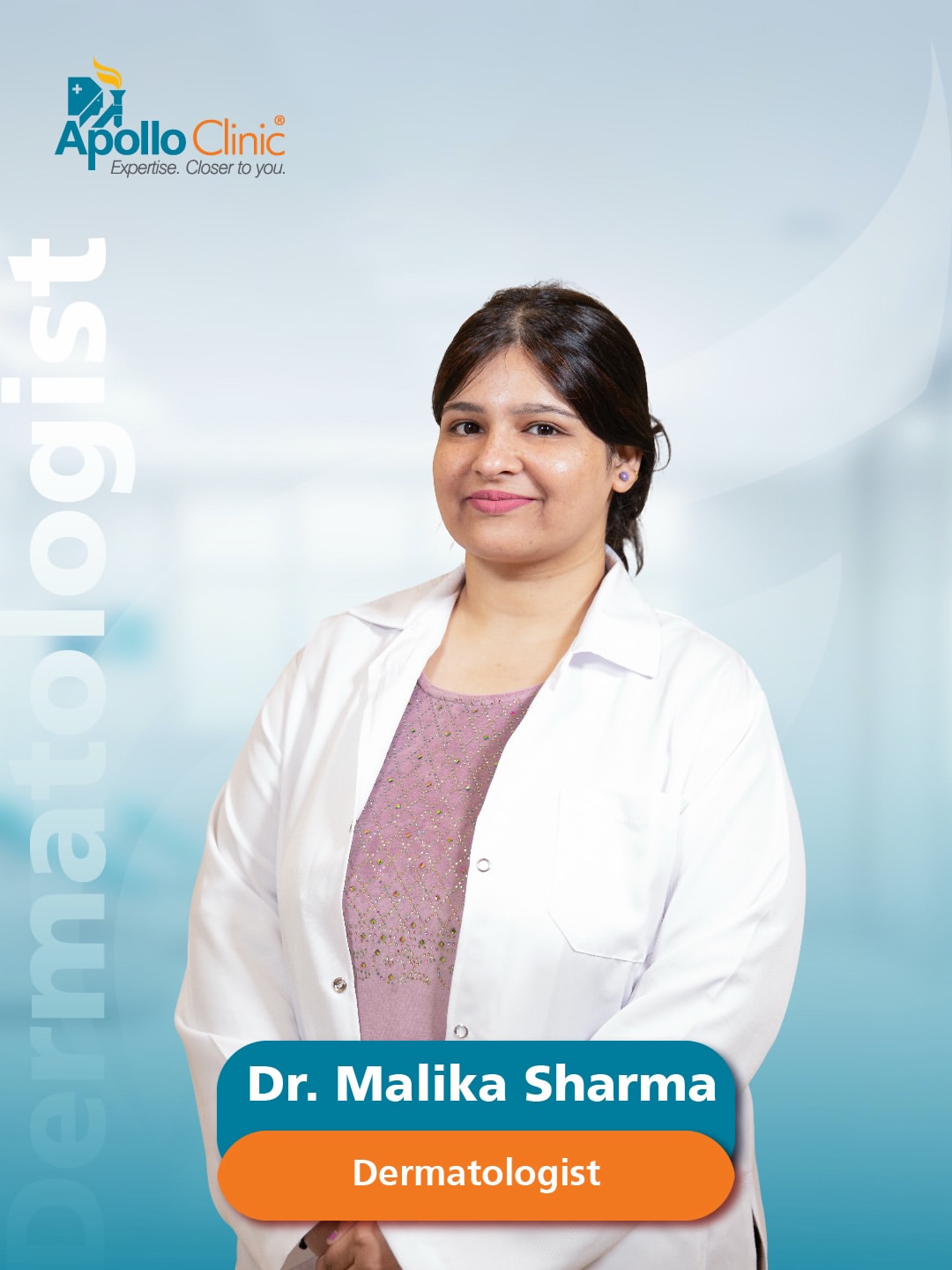
Dr. Mallika Sharma is a Dermatologist at Apollo Clinic Kuwait. She assesses and treats a broad range of skin concerns, with particular attention to inflammatory skin conditions, skin infections, and allergy-related rashes — the conditions that most often present as unexplained red spots.
Dr. Sharma’s approach is to establish the cause first, then treat it. Where a rash is straightforward, that may mean a short course of topical treatment and clear guidance on triggers to avoid. Where the picture is less clear, it may mean allergy testing, blood work, or a small skin biopsy before starting treatment, so that the plan is based on a confirmed diagnosis rather than trial and error.
booking line / WhatsApp number or call us on +965 22251514 Book a dermatology consultation at Apollo Clinic Kuwait.
Conclusion
Red spots on your skin can appear due to various reasons. Sometimes it is just a small irritation, other times it might be something more serious. If those red spots are not going away or they are making you worry it is okay to reach out for help. A dermatologist can take a look and help you figure out what is going on. Sometimes getting answers early can save you a lot of stress later. Your skin matters so don’t be afraid to ask for advice.
FAQs
When should I be concerned about red spots on my skin?
You should be concerned if the red spots are accompanied by severe pain, swelling, severe itching or fever. You should consult a doctor if they spread rapidly or do not respond to over the counter treatments. Additionally if the red spots are persistent or recurrent they may indicate an underlying condition that requires medical attention.
Can red spots be a sign of an infection?
Various infections may cause red spots on the skin (bacterial infections like impetigo or folliculitis, viral infections like chickenpox or measles, and fungal infections like ringworm or candidiasis). If you suspect an infection, seek medical advice for proper diagnosis and treatment.
Are red spots on the skin a sign of a serious condition?
While most red spots on the skin do not indicate a serious condition, they may, in some cases, be a symptom of an underlying autoimmune disorder like psoriasis or a vascular condition like petechiae (tiny red spots caused by bleeding under the skin).
What should I do if the red spots are itchy or painful?
If the red spots on your skin are itchy or painful you can try over the counter treatments (hydrocortisone creams or calamine lotion). However if the itching or pain persists or worsens seeking medical attention is essential as it may indicate a serious infection or condition
Which doctor should I see for red spots on my skin?
A dermatologist is the appropriate specialist for red spots, rashes, and other skin changes. If the spots are accompanied by fever, difficulty breathing, facial swelling, or rapid spreading, seek emergency care first rather than waiting for a routine appointment.
Why do red spots appear more often in Kuwait’s climate?
High temperatures and humidity for much of the year increase sweating, which can block sweat ducts and cause heat rash. Warm, moist skin folds also favour fungal infections, and frequent movement between hot outdoor air and cold air conditioning can aggravate sensitive or eczema-prone skin.
How do I know if red spots are an emergency?
Red or purple spots that do not fade when you press a glass against them, spots with a high fever, rapidly spreading redness, blistering, facial or throat swelling, or breathing difficulty all require immediate medical attention.
What happens during a dermatology consultation for red spots?
The dermatologist examines the affected skin, reviews your medical history, recent exposures, and medications, and asks how the spots have changed over time. Depending on the findings, they may arrange blood tests, allergy testing, or a skin biopsy before recommending treatment.
Medical Disclaimer
This article is intended for general information only and does not replace professional medical advice, diagnosis, or treatment. Skin conditions can look similar while requiring very different treatment. If you have red spots that are spreading, painful, or persistent, please consult a qualified dermatologist. In an emergency, contact local emergency services immediately.